
There are differences in cleaning effect, structural design and applicable scenarios between primary cleaners and secondary cleaners. Understanding their features and benefits can help you choose the right cleaner configuration based on your actual needs to keep your conveyor belts clean and running efficiently. Below are the characteristics and applicable scenarios of the first and second levels of conveyor belt cleaners compiled by COCONET.
Primary Conveyor Belt Cleaner
First Pass Cleaner
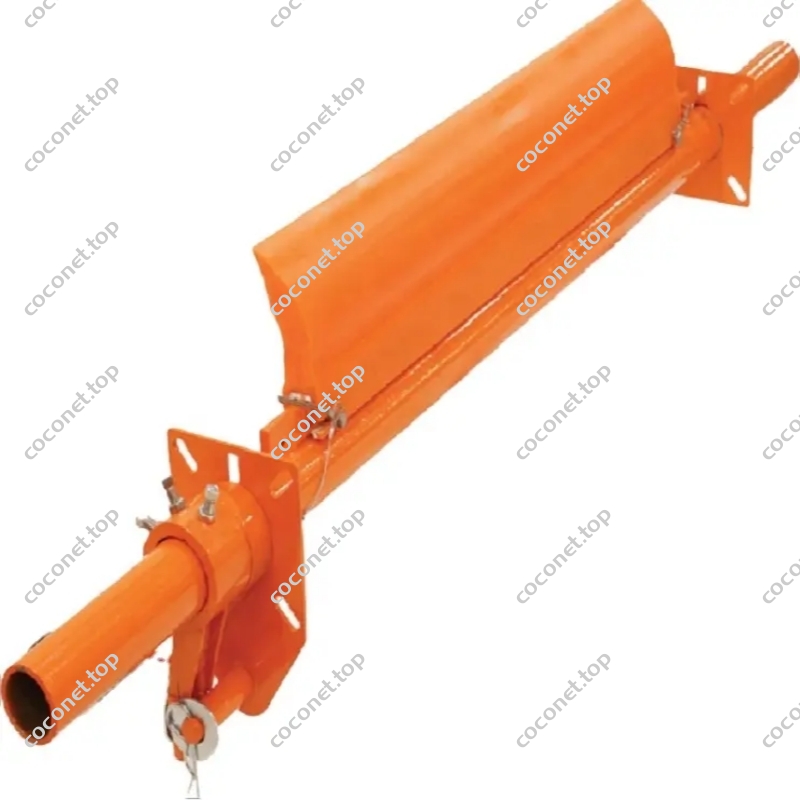
The primary cleaner is located at the head of the conveyor belt, close to the surface of the conveyor belt. It mainly contacts the conveyor belt through a rubber scraper or polyurethane scraper to remove most of the material residue and dirt. The following are the features of the primary cleaner:
- Cleaning effect: The first-level cleaner can effectively remove material residues and dirt, keeping the surface of the conveyor belt relatively clean.
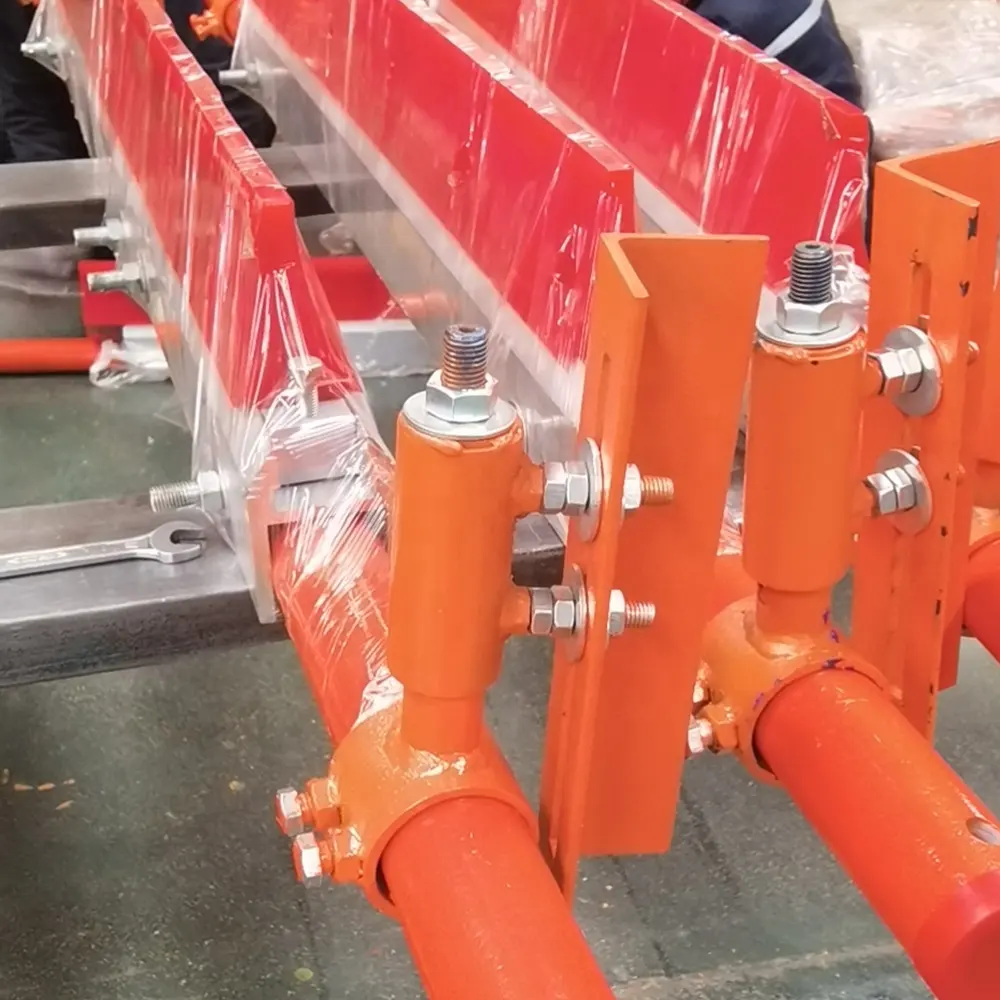
- Structural design: The first-level cleaner usually consists of a scraper, a spring and a support frame. The contact force between the scraper and the conveyor belt surface is adjusted by the spring to adapt to different cleaning needs.
- Applicable scenarios: The first-level cleaner is suitable for cleaning most materials, especially materials with larger particles and low adhesion, such as ore, coal, sand and gravel, etc.
Secondary cleaner
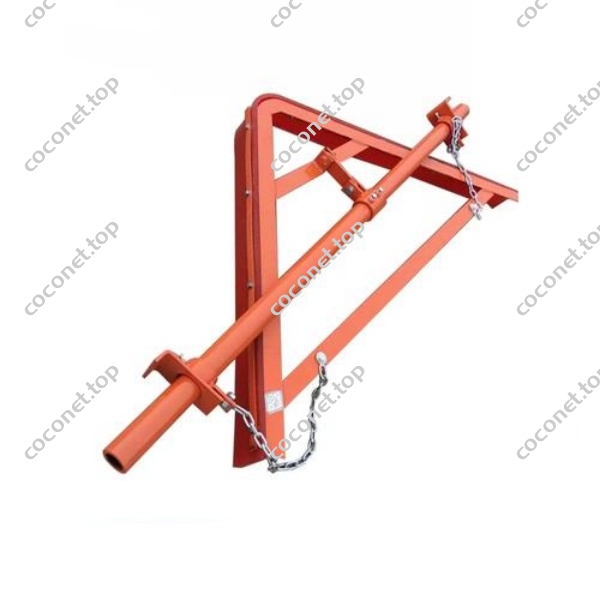
The secondary cleaner is mostly made of polyurethane or alloy material. It is responsible for cleaning the fine particles and sticky substances stuck on the conveyor belt. It can also be used to clean the non-working surface of the conveyor belt. The following are the features of the secondary cleaner:
- Cleaning effect: The secondary cleaner can remove material residues and dirt that cannot be thoroughly cleaned by the primary cleaner, providing a cleaner conveyor belt surface.
- Structural design: The secondary cleaner usually consists of a scraper, a brush or a scraper and a support frame. The scraper and brush or scraper are in contact with the conveyor belt at the same time to increase the cleaning intensity.
Comprehensive selection and configuration
Choosing a primary or secondary cleaner depends on specific cleaning requirements and material characteristics. In some applications, a primary cleaner is sufficient to meet cleaning needs; in some special scenarios, a combination of primary and secondary cleaners can achieve better cleaning results.
Implementation Steps

Communicate thoroughly with clients to understand specific application scenarios and braking requirements.
Assess environmental conditions.

Based on the provided materials and mining information, conduct on-site inspections and jointly negotiate to determine the plan.

Having complete testing instruments and equipment, as well as a quality inspection team, scientific management, and real-time monitoring, can better improve product quality

Ensure the system operates normally and provide necessary technical support.

Ensure the achievement of extending equipment lifespan, reducing downtime, and improving overall efficiency of the enterprise
Respond promptly to client repair and replacement needs, offering technical support and training.
Please submit the product requirements and we will contact you immediately
Related Articles:
 Buffer Beds vs. Buffer Rollers: Key Differences, Applications, and How to Choose
 What are the common types of belt conveyor cleaners and their applications
 Conveyor Belt Cleaner: Essential for Efficient and Durable Conveyor Systems
 How to replace the Conveyor belt cleaner blade replacement
 Conveyor Belt Skirt Rubber Guide: Functions, Types & Maintenance
 Conveyor Belt Patching Materials: The Expert’s Guide to Repair & Maintenance Solutions

