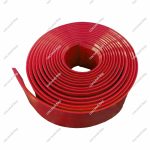
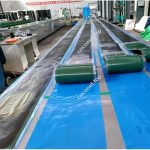
Conveyor belt cleaners are indispensable tools for industries relying on conveyor systems, such as mining, manufacturing, food processing, and logistics. These devices remove residues, dust, and other contaminants from conveyor belts, ensuring operational efficiency, safety, and reduced maintenance costs. A high-quality conveyor belt cleaner is a worthwhile investment, protecting both conveyor systems and the products they transport.
Structure and Function of Conveyor Belt Cleaners
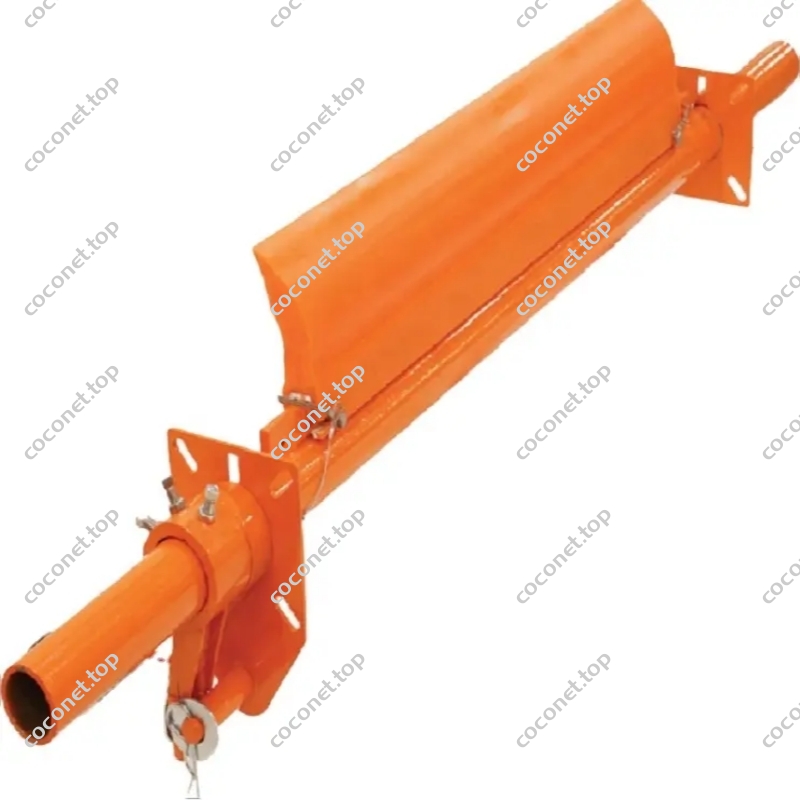
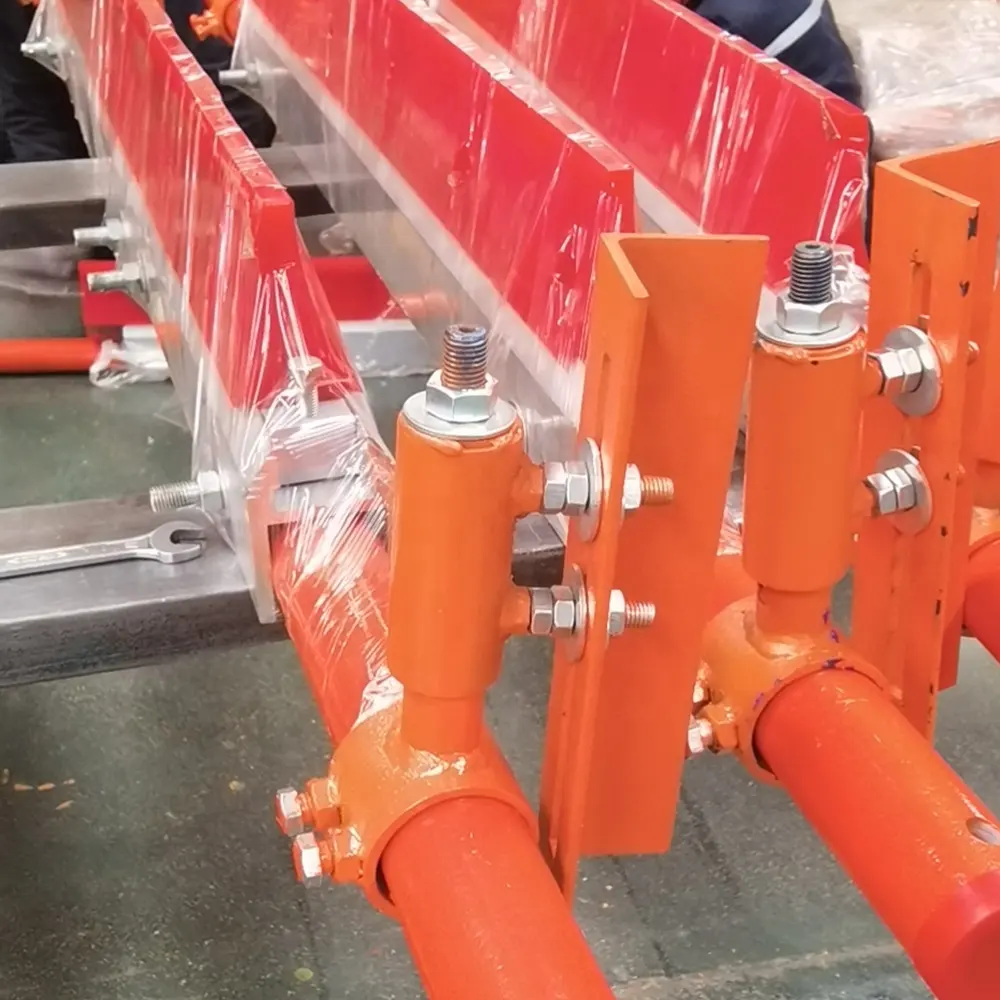
Conveyor belt cleaners generally feature a scraper blade assembly mounted on a support structure, with the blade applying consistent pressure to the belt surface to remove debris and adherents. This pressure may come from springs or other tensioning mechanisms to maintain constant blade-to-belt contact. In more advanced designs, the scraper blade can be heated, which softens sticky materials, allowing for easier removal and more efficient cleaning.
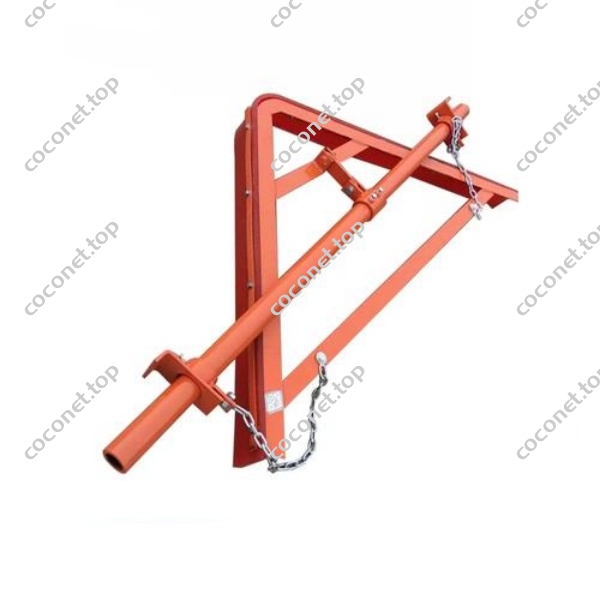
Types of Conveyor Belt Cleaners
Primary Cleaners: Positioned at the discharge point, primary cleaners remove the bulk of material adhering to the belt. Constructed from durable materials like polyurethane or rubber, they are the first line of defense in the cleaning process.Primary Conveyor Belt Scraper
Secondary Cleaners: Installed further along the belt, secondary cleaners handle residual materials left by the primary cleaner. Often featuring tungsten carbide blades, they offer a more thorough clean to remove smaller, stubborn particles. Secondary Conveyor Belt Cleaner
Tertiary Cleaners: For applications with strict cleanliness requirements, tertiary cleaners eliminate microscopic particles, ensuring a spotless belt surface.
Return Belt Cleaners: Positioned on the return side of the belt, these cleaners prevent material build-up underneath, which can impact belt tracking and contribute to wear.
Pre-Cleaners: Used in highly contaminated environments, pre-cleaners remove large debris before the primary cleaner, extending its life and improving overall cleaning efficiency.
Benefits of Conveyor Belt Cleaners
Reduced Maintenance Costs: By eliminating carryback, cleaners reduce stress on conveyor components, extending the lifespan of belts, pulleys, and rollers.
Increased Efficiency and Productivity: Clean belts help prevent slippage, ensuring smooth, consistent operation with minimal disruptions.
Enhanced Safety: Cleaners minimize spillage and carryback, reducing the risk of material falling off the belt and creating a safer work environment.
Improved Product Quality: In industries like food processing, clean belts prevent cross-contamination, safeguarding product quality and hygiene.
Better Material Recovery: By reducing material wastage through carryback, conveyor belt cleaners help recover valuable materials, maximizing production yield.
Innovations in Conveyor Belt Cleaning Technology
Recent advancements have improved the efficiency and versatility of belt cleaners:
Adjustable Blade Tension: Customizable tension settings allow operators to adjust the blade’s pressure according to belt type and condition, optimizing cleaning performance.
Sensor-Based Monitoring: Some cleaners now include sensors that monitor wear, belt sag, and other critical factors, enabling predictive maintenance and minimizing downtime.
Material-Specific Blade Designs: New blade materials and configurations cater to specific cleaning needs, with options like carbide blades for heavy-duty applications and softer materials for more delicate products.
Key Considerations for Choosing a Conveyor Belt Cleaner
Material Compatibility: Select a blade material suited to the product handled. Polyurethane is ideal for general use, while carbide is best for abrasive materials.
Belt Specifications: Ensure the cleaner matches the conveyor’s belt width, speed, and tension requirements.
Environmental Factors: In harsh settings, such as mining or aggregate processing, corrosion-resistant and durable cleaners are essential.
Installation and Maintenance Tips
Alignment: Proper alignment ensures optimal cleaning and prevents damage to both the belt and cleaner.
Regular Inspections: Routine inspections identify wear and potential issues, allowing for timely replacements or adjustments.
Blade Tension Adjustments: Keeping blade tension optimized is crucial, as too much pressure can damage the belt while too little may reduce cleaning efficiency.
Implementation Steps

Communicate thoroughly with clients to understand specific application scenarios and braking requirements.
Assess environmental conditions.

Based on the provided materials and mining information, conduct on-site inspections and jointly negotiate to determine the plan.

Having complete testing instruments and equipment, as well as a quality inspection team, scientific management, and real-time monitoring, can better improve product quality

Ensure the system operates normally and provide necessary technical support.

Ensure the achievement of extending equipment lifespan, reducing downtime, and improving overall efficiency of the enterprise
Respond promptly to client repair and replacement needs, offering technical support and training.
Please submit the product requirements and we will contact you immediately