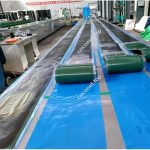
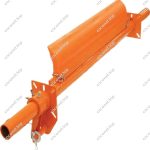
What is a conveyor belt skirt rubber?
A conveyor belt skirt rubber is a protective rubber strip installed on the side of a conveyor belt. It is commonly used in bulk material transportation industries such as mining, cement, steel and aggregate processing. It is designed to effectively prevent material spillage and dust leakage from the edge of the conveyor belt by forming a seal between the conveyor belt and the guide trough or chute, thereby improving transportation efficiency and minimizing material loss.
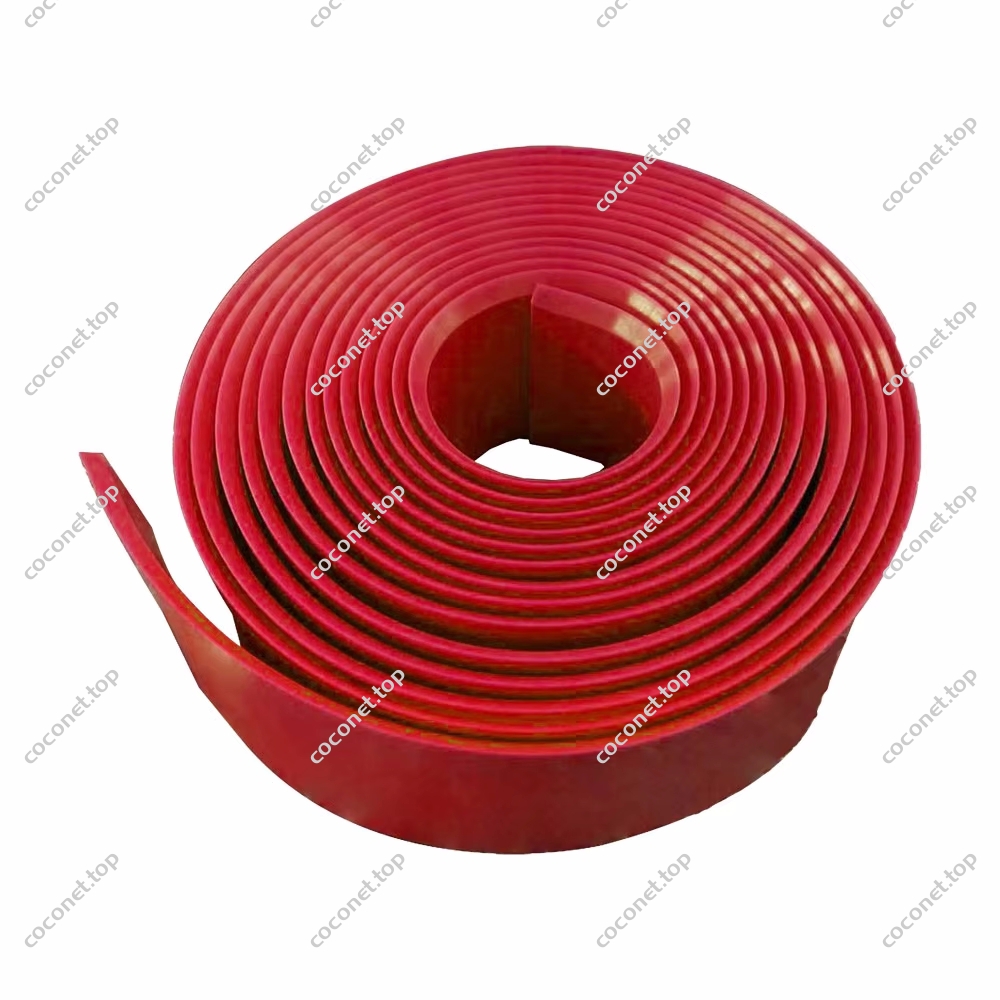
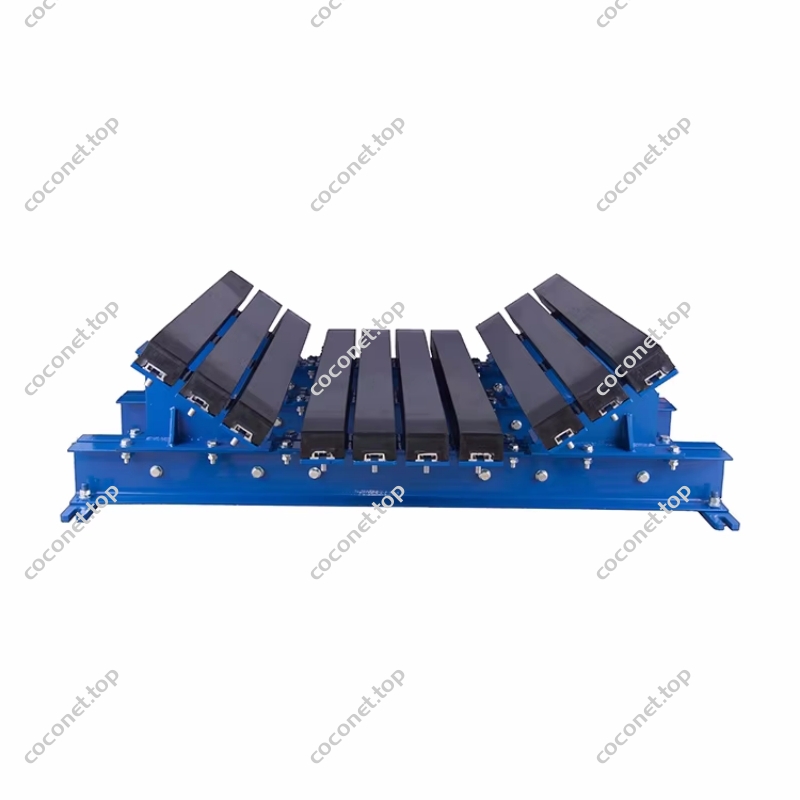
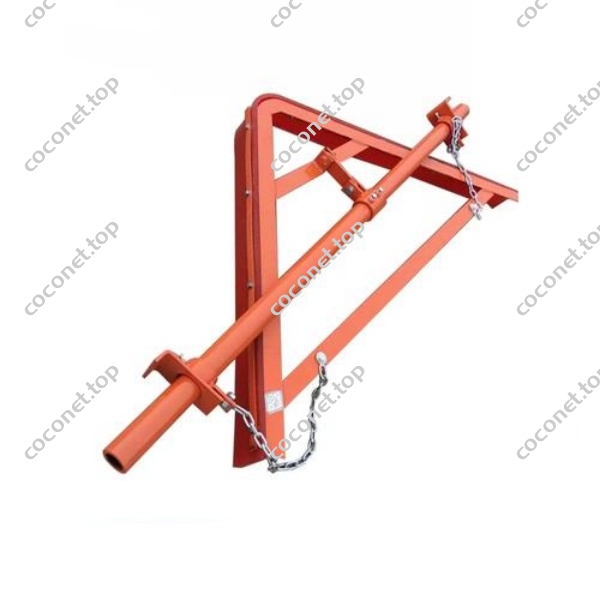
Conveyor Belt Skirt Rubber Functions and Benefits
Prevent Material Spillage
The primary function of skirt rubber is to keep bulk material within the conveying system. Without proper skirting, loose material can spill out the sides, causing product loss and workplace hazards.
Reduce Dust Emissions
Skirt rubber helps minimize dust emissions by sealing the gap between the conveyor belt and loading chute. This is especially important for industries that handle fine or powdery materials, improving workplace safety and environmental compliance.
Extend Conveyor Belt Life
By preventing material spillage and buildup, skirt rubber reduces excessive wear on the conveyor belt, extending its life and reducing maintenance costs.
Increase Operational Efficiency
A properly sealed conveyor system ensures continuous material flow without unnecessary downtime, increasing productivity and reducing downtime.
Types of conveyor belt skirt rubber
Standard skirt rubber
Standard skirts are made of natural or synthetic rubber and are cost-effective for general-purpose applications.
Polyurethane (PU) skirts
PU skirts offer excellent wear resistance and flexibility, making them ideal for high-speed and high-abrasion environments.
Dual-layer skirt rubber
This type consists of a soft rubber layer (for better sealing) and a hard rubber layer (for greater durability) for a longer service life
Conveyor Belt Skirt Rubber Installation Guide
Preparation Phase
- Safe Operation: Shut down and lock the conveyor system to prevent accidental start-up.
- Clean Area: Remove dust, dirt and debris to ensure a clean work area.
- Measuring and Cutting: Measure and cut the skirt rubber according to the conveyor belt size.
Installation Steps
- Fixing Method: Fix the skirt rubber to the conveyor structure using a clamping system or bolts.
- Adjust the height: Make sure the skirt rubber gently contacts the conveyor belt to avoid excessive wear.
Specific Operations
- Clean Again: Clean the conveyor belt edge and guide groove to ensure there is no interference from debris.
- Positioning and Fixing: Place the rubber strip along the conveyor belt edge to ensure close contact with the guide groove and fix it with screws, nuts and washers (15-20 cm spacing).
- Inspection and Testing: Check whether the contact is uniform, start the conveyor belt for test run, and make timely adjustments if abnormalities are found.
Adjustment and Maintenance
- Check skirts regularly for signs of wear.
- Adjust skirts regularly to maintain proper sealing and prevent excessive friction with the belt.
- Replace worn parts promptly to maintain efficiency.
Implementation Steps

Communicate thoroughly with clients to understand specific application scenarios and braking requirements.
Assess environmental conditions.

Based on the provided materials and mining information, conduct on-site inspections and jointly negotiate to determine the plan.

Having complete testing instruments and equipment, as well as a quality inspection team, scientific management, and real-time monitoring, can better improve product quality

Ensure the system operates normally and provide necessary technical support.

Ensure the achievement of extending equipment lifespan, reducing downtime, and improving overall efficiency of the enterprise
Respond promptly to client repair and replacement needs, offering technical support and training.
Please submit the product requirements and we will contact you immediately