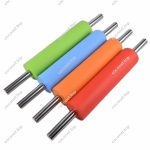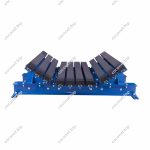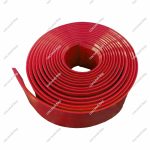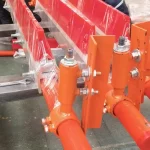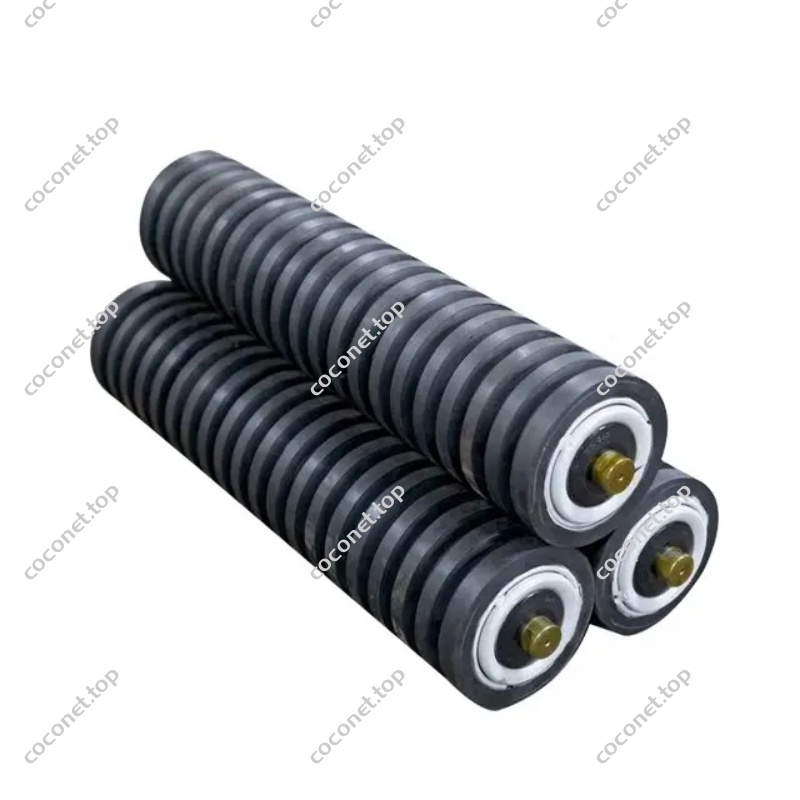
Rubber buffer roller
Rubber buffer roller, as a key auxiliary equipment in heavy industrial conveying systems such as mines, coal mines, steel mills, docks, power plants and chemical plants, plays a vital role. It is not only a support and guide device for the conveyor belt, but also an important tool to alleviate the impact force during material loading, protect the conveyor belt and extend the service life of the equipment.
Structural composition and characteristics
The rubber buffer roller is mainly composed of roller shaft, rubber buffer layer, roller tube and seal. The roller shaft is connected to the conveyor belt frame to support the overall structure of the roller; the rubber buffer layer covers the surface of the roller and has excellent elasticity and shock absorption; the roller tube as the outer shell is in direct contact with the conveyor belt; and the seal effectively prevents external debris from entering the roller to ensure long-term stable operation.
Its roller body and seal are made of polymer materials, which are light in weight and have small rotational inertia, and the friction between the roller and the belt is also small. In addition, the roller is equipped with two seals, with high manufacturing precision, and special grease is applied in the gap, which can effectively prevent corrosive media such as dust, gas, and liquid from entering the roller and damaging the bearing.
Function
Buffering and shock absorption: The main function of the rubber buffer roller is to slow down the impact of material falling or belt deviation on the conveyor belt, absorb and disperse these impact forces, avoid excessive wear on the belt and roller, and thus extend the service life of the equipment.
Support and guidance: The rubber roller can also effectively support and guide the conveyor belt to ensure that the belt maintains a stable running track during the conveying process.
Reduce wear and energy consumption: The rubber buffer roller can significantly reduce the friction and wear between the conveyor belt and the roller, reduce the loss of the conveyor belt and the roller, and at the same time, due to its good elasticity, it can reduce the resistance and energy consumption of the belt during operation.
Strong corrosion resistance: The rubber surface has been specially treated, and it has a strong resistance to corrosive substances produced by industrial materials such as ores and fertilizers, ensuring that the roller is not easy to age and crack after long-term use.
Shock absorption and noise reduction: The flexibility of rubber material can effectively absorb vibration and noise, reduce the noise generated during equipment operation, improve the working environment, and enhance the comfort of employees.
Improve safety: Buffer rollers can reduce sudden failures caused by damaged conveyor belts, prevent accidents such as conveyor belt breakage, and improve the safety and reliability of the conveying system.
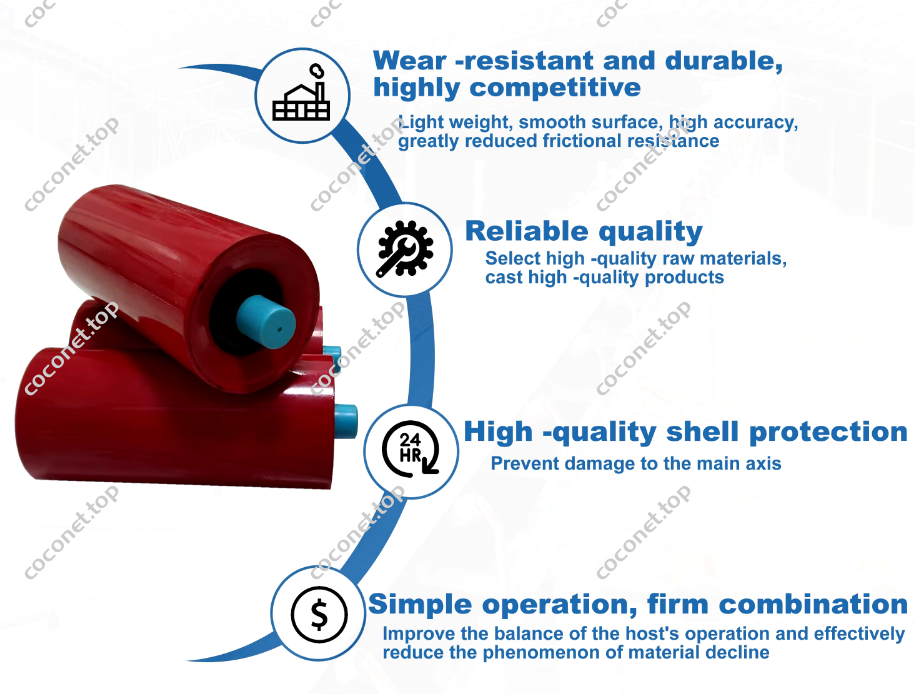
Application scenarios

Rubber buffer rollers are widely used in various conveyor systems that require buffering and shock absorption, especially in coal washing plants, coking plants, chemical plants and other harsh environments. Its excellent buffering performance, wear resistance, corrosion resistance and structural stability make it an indispensable key accessory in these occasions. At the same time, it is also suitable for mines, coal mines, steel mills and other occasions where a large amount of bulk materials need to be transported, especially in key locations that are prone to impact such as conveyor belt loading areas.
Installation and maintenance
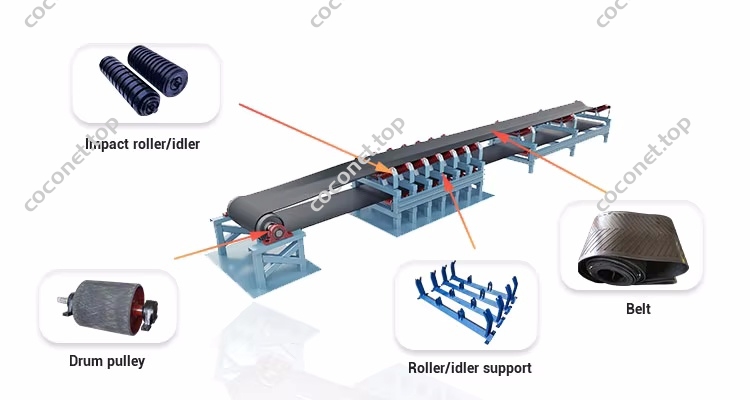
When installing rubber buffer rollers, ensure that the gap between them and the conveyor belt is appropriate to ensure a good buffering effect. At the same time, the bearing status, rubber ring wear and overall smooth operation should be checked regularly, and replacement and maintenance should be carried out in time. In addition, regular inspection and maintenance are required to ensure the buffering effect and service life of the buffer roller. When installing, ensure that its position is accurate to avoid conveyor belt deviation or accelerated wear of the roller due to improper installation.
Implementation Steps

Communicate thoroughly with clients to understand specific application scenarios and braking requirements.
Assess environmental conditions.

Based on the provided materials and mining information, conduct on-site inspections and jointly negotiate to determine the plan.

Having complete testing instruments and equipment, as well as a quality inspection team, scientific management, and real-time monitoring, can better improve product quality

Ensure the system operates normally and provide necessary technical support.

Ensure the achievement of extending equipment lifespan, reducing downtime, and improving overall efficiency of the enterprise
Respond promptly to client repair and replacement needs, offering technical support and training.
Please submit the product requirements and we will contact you immediately