
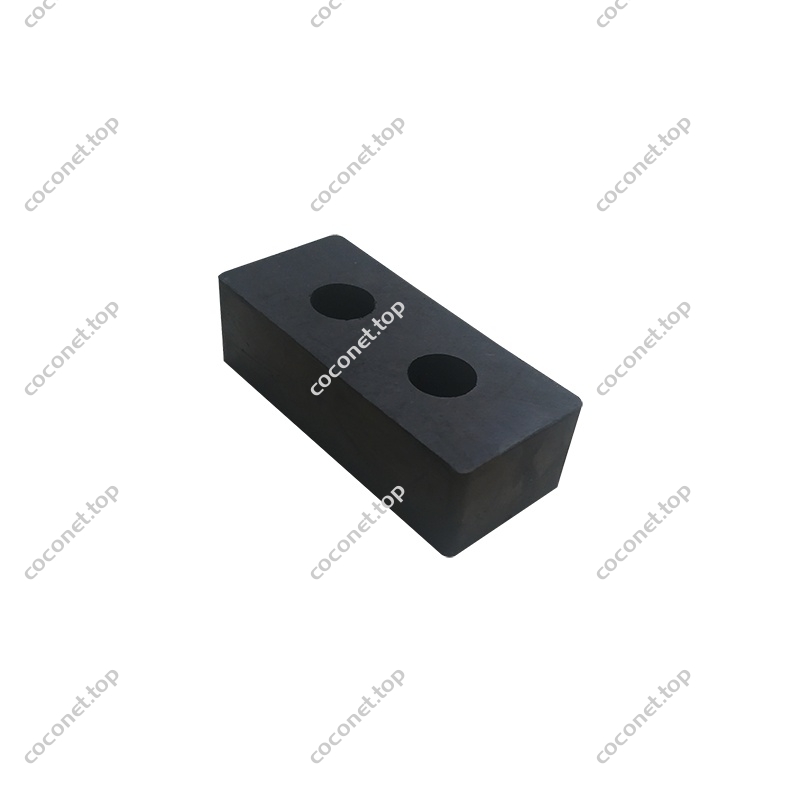
Rubber bumpers are a type of buffering protection device widely used in industrial and transportation facilities, designed to reduce and prevent damage caused by impact. They are commonly found in docks, warehouses, logistics centers, bridge guardrails, mining equipment, and other places where damage from impact needs to be prevented, and are an indispensable element to ensure the safe operation of these facilities.
Rubber bumpers are mainly composed of two parts: a rubber body and fixings. The rubber body is the core of the bumper, usually made of wear-resistant, highly elastic rubber material. This material can effectively absorb and disperse the impact energy during impact, thereby reducing the impact on equipment and facilities. Depending on the use occasion, the fixings can be bolts, metal brackets, etc. Their main function is to ensure that the bumper will not loosen or fall off after installation, and maintain its stability and reliability
Function of rubber bumpers
Absorbing impact energy: Through its elastic structure, the bumper can quickly absorb and disperse the impact energy when a collision occurs, thereby protecting equipment and facilities from damage.
Protecting equipment and facilities: Anti-collision blocks are widely used in various mechanical equipment and transportation facilities that need to be protected, such as dock berths, vehicle loading platforms, bridge guardrails, etc. They can prevent equipment damage caused by accidental collisions and extend the service life of equipment and facilities.
Improve safety: In places where heavy equipment or vehicles are operating, such as workshops, warehouses, ports, etc., the presence of anti-collision blocks can significantly reduce the risk of safety accidents caused by collisions and protect the safety of facilities and personnel.
Reduce maintenance costs: Since anti-collision blocks can effectively absorb impact energy, they can significantly reduce equipment damage and maintenance frequency caused by collisions, thereby reducing the maintenance costs of enterprises.
Strong adaptability: Rubber anti-collision blocks have good wear resistance and corrosion resistance, and can maintain their performance in various harsh environments. This makes them an indispensable protective device in various industrial and transportation facilities.
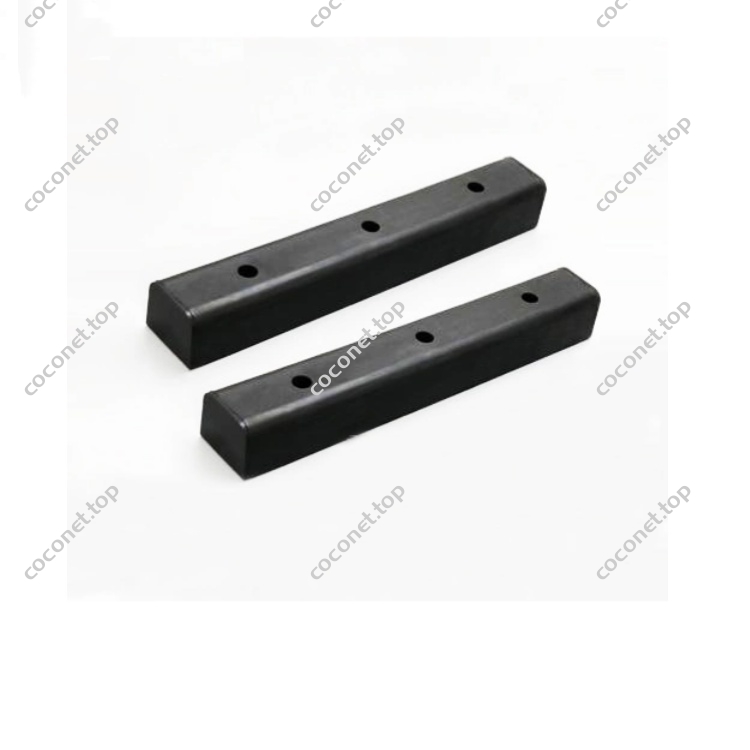
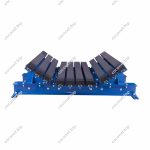
Product Display
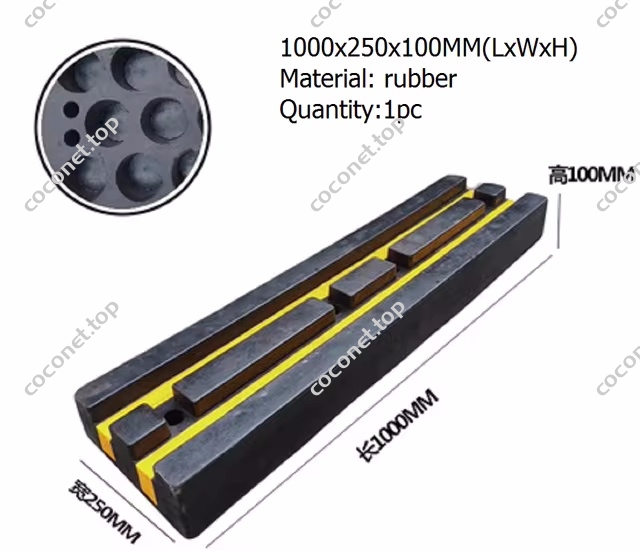
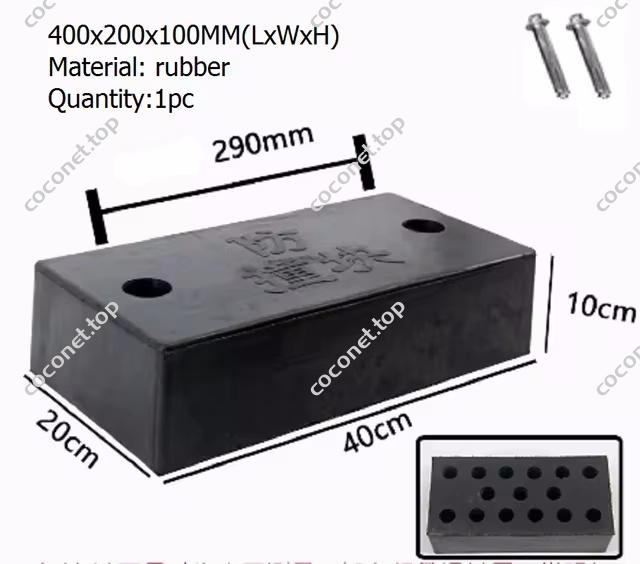
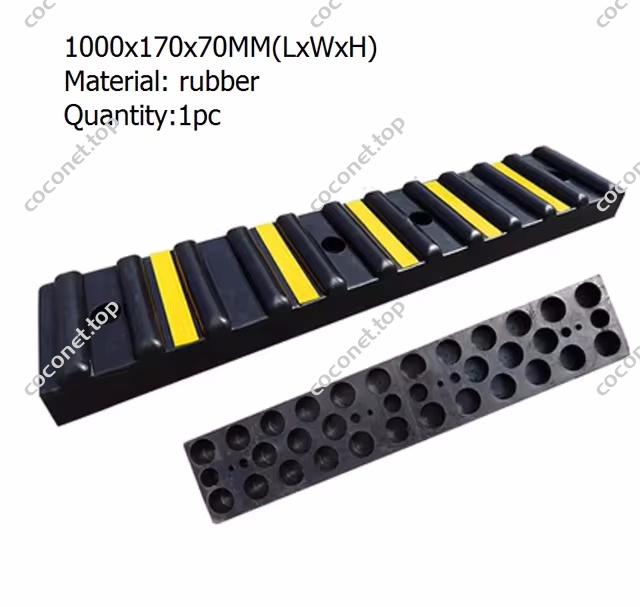
The application scenarios of rubber anti-collision blocks are very wide
Docks and berths: Installed at the edge of the dock or berth to prevent damage to the dock when the ship docks.
Vehicle loading and unloading platform: Loading and unloading platform used in warehouses and logistics centers to prevent trucks from hitting the platform structure during reversing and loading and unloading.
Bridges and guardrails: Installed along bridge guardrails and viaducts to reduce guardrail damage caused by vehicle collisions.
Mines and heavy machinery and equipment: Protect mining conveyors, bulldozers and other equipment from collisions during operation and reduce equipment loss.
Maintenance and precautions
In order to ensure the long-term effectiveness and safety of rubber bumpers, regular maintenance and inspection are required. Specifically, the wear of the bumpers should be checked regularly to ensure their energy absorption effect. Once a bumper is found to be severely worn or with reduced performance, it should be replaced in time. At the same time, when installing the bumper, the firmness of the fixings should be ensured to prevent the bumper from loosening or falling off during impact. In addition, in a highly corrosive environment, the surface of the bumper should be cleaned regularly to prevent oil or chemicals from corroding the rubber, thereby affecting its service life.
Implementation Steps

Communicate thoroughly with clients to understand specific application scenarios and braking requirements.
Assess environmental conditions.

Based on the provided materials and mining information, conduct on-site inspections and jointly negotiate to determine the plan.

Having complete testing instruments and equipment, as well as a quality inspection team, scientific management, and real-time monitoring, can better improve product quality

Ensure the system operates normally and provide necessary technical support.

Ensure the achievement of extending equipment lifespan, reducing downtime, and improving overall efficiency of the enterprise
Respond promptly to client repair and replacement needs, offering technical support and training.
Please submit the product requirements and we will contact you immediately
Related Articles:
 Rubber mine car buffer bumper: the safety guardian of mining transportation equipment
 Polyurethane Roller & Wheel – High Performance Industrial Roller Solution
 Conveyor belt polyurethane rubber skirting improves transportation efficiency
 Conveyor belt buffer strips & Bed-an ideal choice for ensuring conveying safety


