Introduction
Conveyor belts that are prone to wear, tears, and impact damage are critical to industries like mining, manufacturing, and logistics. Belts in place Conveyor belt patching materials are a cost-effective way to repair damaged belts and increase their life and reduce downtime.
In this guide, we will look at the types, uses, and best practices of conveyor belt patching materials.
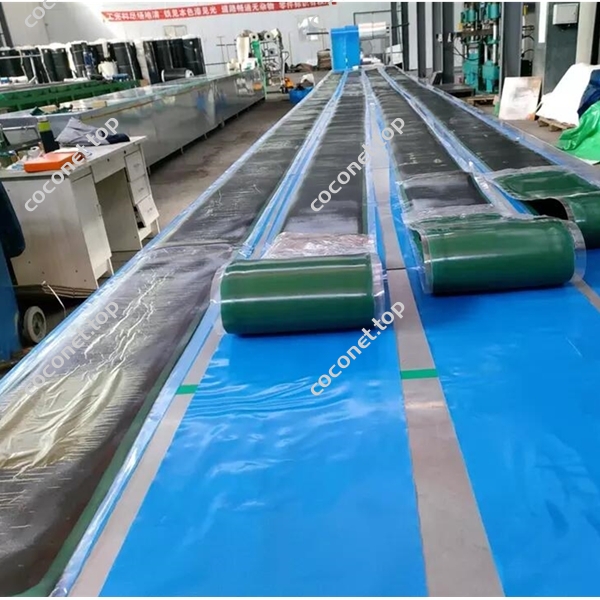
Conveyor Belt Patching Material Types
A. Cold Vulcanizing Repair Patches
Best for: Small to medium stains, tears, punctures and edge damage.
Advantages:
- No heat needed — easy application on-site.
- High flexibility strong bonding.
- Resistant against abrasion and chemicals.
Common Uses:
- Mining and quarrying rubber conveyor belt repairs
- Repairing food-grade belts (with FDA-approved patches).
B. Hot Vulcanizing Repair Kits
Our Hot Vulcanizing Repair products Unvulcanized Cover Rubber and Uncured Intermediate Rubber
Best for: Big rips, deep gouges and high-tension belts.
Advantages:
- Forms an everlasting, undetectable fix.
- Restores belt renewal to near original spec.
- Type: Cured – needs heating and pressure.
Common Uses:
Heavy-duty belts for conveyor systems in steel mills and ports.
C. Repair Strips & Sheets: Rubber
Best for: Surface scratches and abrasions; small cuts.
Materials:
- Natural rubber (flexible type, general type).
- Oil and abrasion resistant SBR rubber.
- Neoprene (heat and chemical resistant)
Application:
Glued or vulcanized to harmed areas
D. Ceramic & Metallic-Backed Patches
Best for: High wear zones (like high impact zones in a loading point).
Advantages:
- Ultra-high wear-resistant performance.
- Longer belt life in high-impact sites.
Common Uses:
Sharply mined ores on a mining conveyor belt.
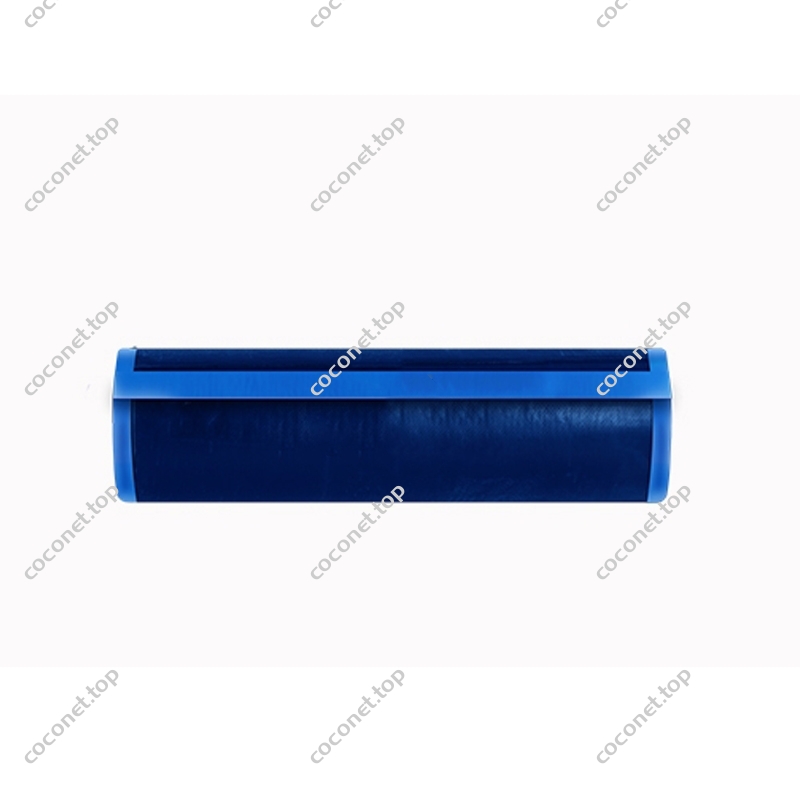
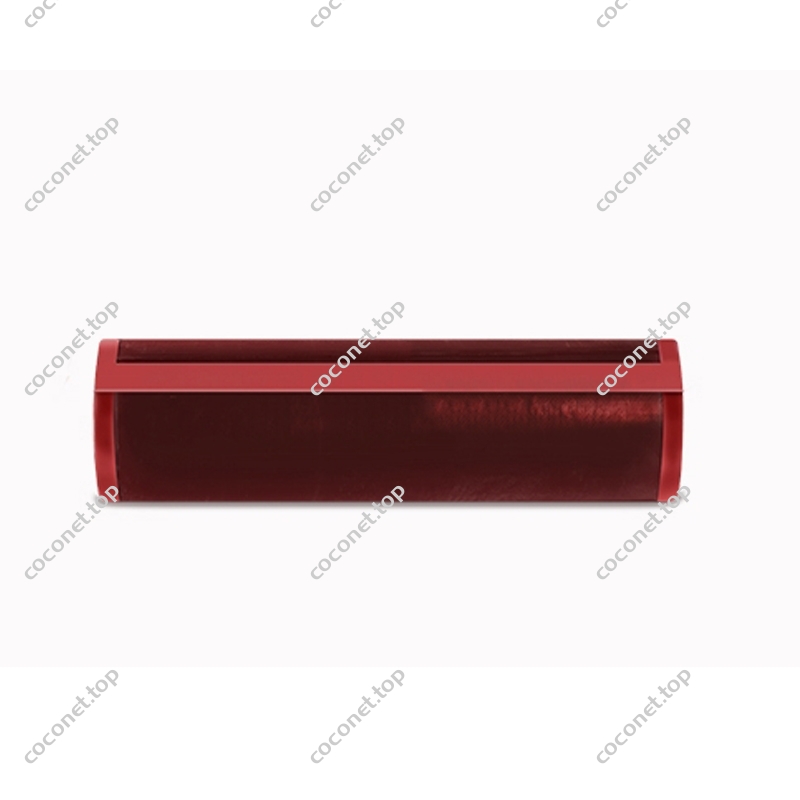
Unvulcanized Cover Rubber
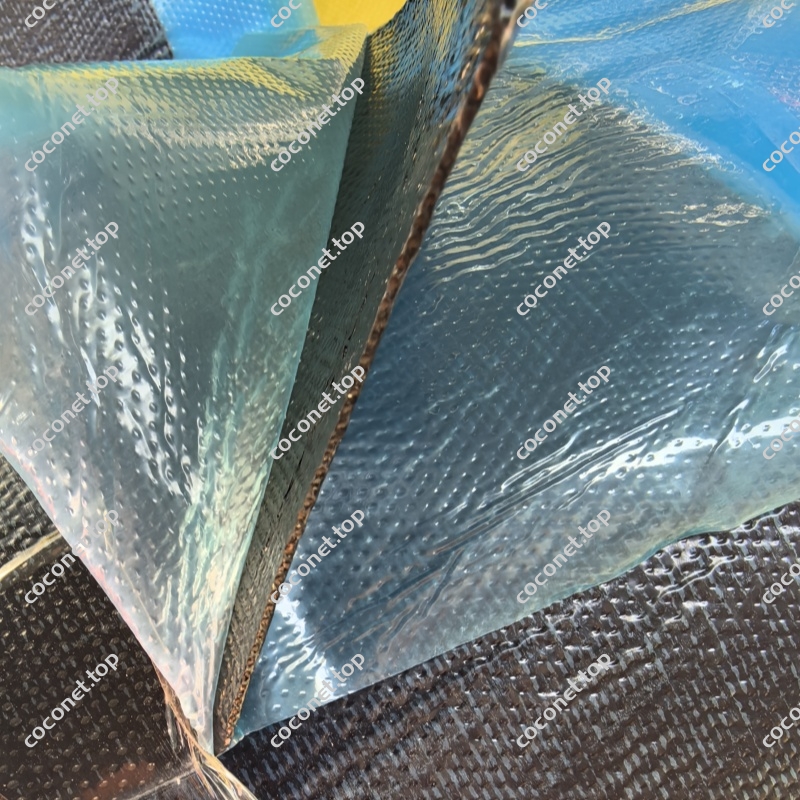
Uncured Intermediate Rubber
Tyre Repair Cord Rubber
How to Choose the Right Patching Material
Recommended MaterialSmall tearsSame as aboveCold vulcanizing patchesLarge ripsHot vulcanizing repair kitsHigh abrasionCeramic-backed or rubber repair sheetsChemical exposureNeoprene or nitrile rubber patchesFood-grade beltsFDA-approved cold repair compounds
Step-by-Step Patching Process
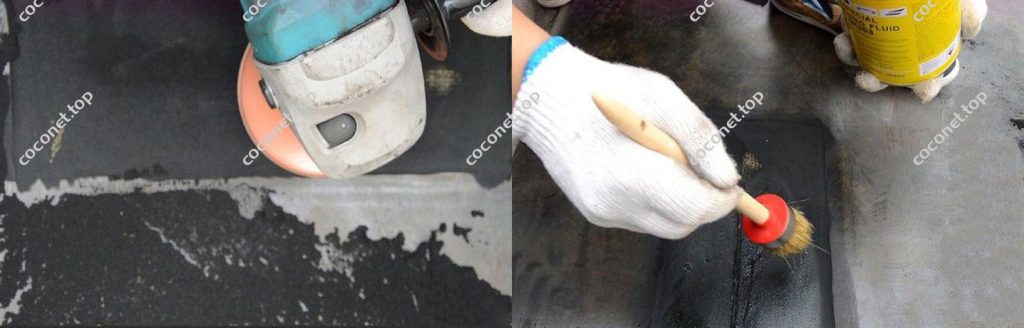
A. Surface Preparation
Remove dirt, grease, and loose rubber, clean the damaged area.
Scuff the surface with a grinder or wire brushing to promote adhesion.
B. Applying the Patch
Cold patch: Add glue, tamp down and cure (24 hours typically).
Hot vulcanization: Use of vulcanizing press that makes use of heat-activated bonding
C. Post-Repair Checks
Make sure to remove all air bubbles and loose edges.
Perform test of belt tension before full operation
Advantages of Using Quality Patching Products
✔ Cost savings — Prevents complete belt replacement.
✔ Less downtime – Fast repairs minimize operational disruption.
Prevents further damage ✔ Extended belt life
✔ Custom solutions – solutions are available for various belt types (fabric, steel cord).
Common Mistakes to Avoid
❌ No surface prep → Bad stick.
Avoid mismatched materials use → Patch does not survive stretching.
❌ Skipping over manufacturer recommendations → Wrong curing time.
Conclusion
Selecting the best conveyor belt patching materials for your business requires an understanding of the type of damage to your conveyor belts, along with the operating environment and its respective compounds. Regardless if you are using cold vulcanizing patches for temporary solutions or hot vulcanizing for more intense repairs, if applied correctly they will provide you with great results.
Looking for professional patching solutions? Visit or contact us for any qualitative repair materials as per your industrial working.
Implementation Steps

Communicate thoroughly with clients to understand specific application scenarios and braking requirements.
Assess environmental conditions.

Based on the provided materials and mining information, conduct on-site inspections and jointly negotiate to determine the plan.

Having complete testing instruments and equipment, as well as a quality inspection team, scientific management, and real-time monitoring, can better improve product quality

Ensure the system operates normally and provide necessary technical support.

Ensure the achievement of extending equipment lifespan, reducing downtime, and improving overall efficiency of the enterprise
Respond promptly to client repair and replacement needs, offering technical support and training.
Please submit the product requirements and we will contact you immediately