Conveyor Belt Cleaner Blade Replacement: Expert Guide for Optimal Performance
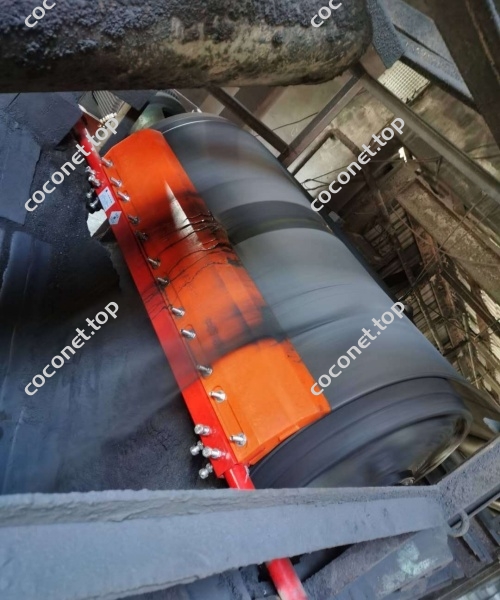
Conveyor systems form the backbone of countless industrial operations, silently moving materials from one point to another with remarkable efficiency. Yet, this efficiency hinges on one often overlooked component: the conveyor belt cleaner blade. These unsung heroes prevent material carryback, reduce spillage, and extend belt life—but only when they’re in good working order. In my 15+ years working with conveyor systems, I’ve seen how proper blade maintenance can make or break an operation’s productivity.
Understanding Belt Cleaner Blades
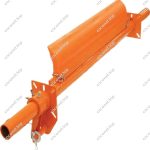
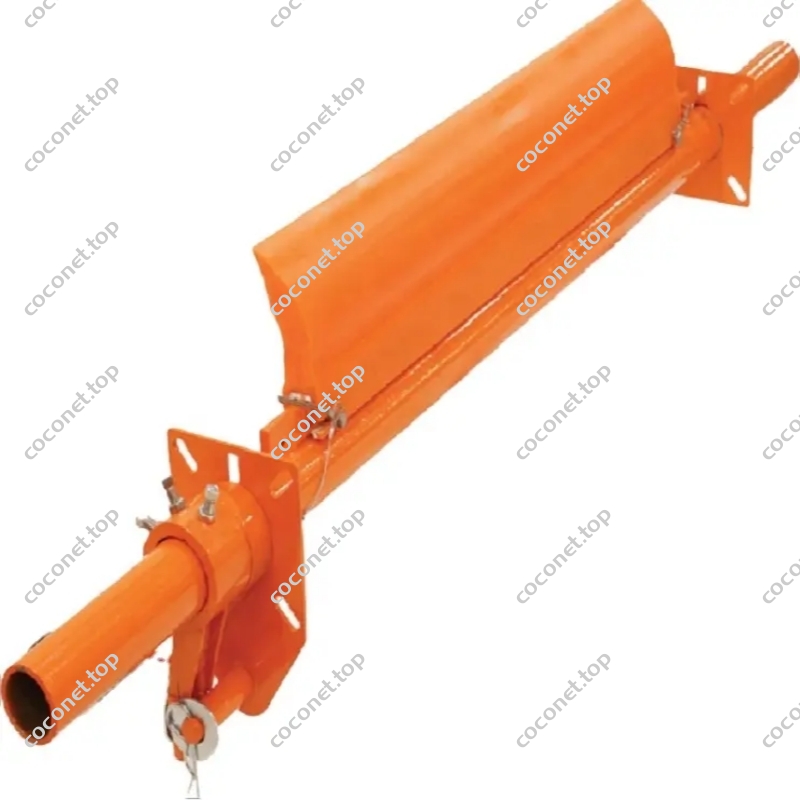
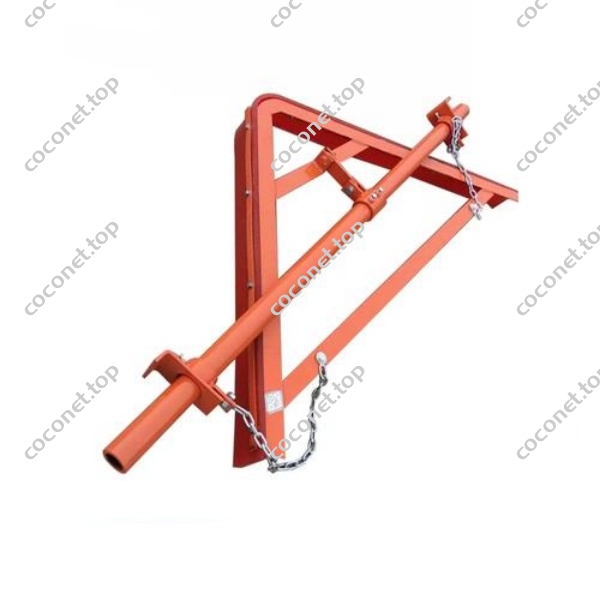
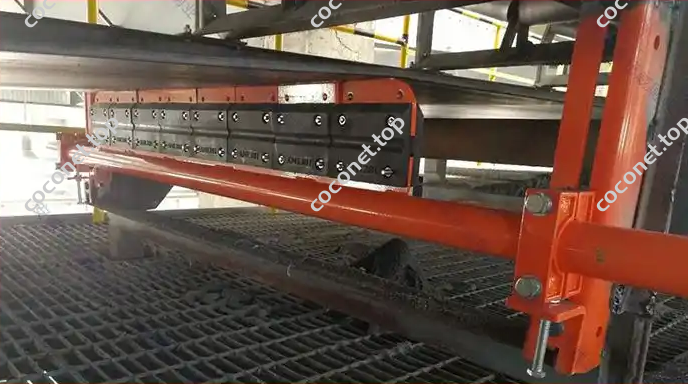
Conveyor Belt cleaner blades are the workhorses of your conveyor system. They scrape off residual material that sticks to the belt after the load has been discharged. Without effective cleaning, this material—called carryback—can accumulate under your conveyor, creating safety hazards, increasing housekeeping costs, and potentially damaging your equipment.
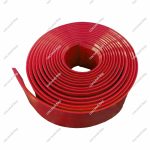
The most common material for these blades? Urethane. But not all urethane blades are created equal. The specific formulation affects everything from cleaning efficiency to blade life.
Types of Urethane Blades
Urethane blades come in various formulations, each designed for specific applications:
- Standard urethane – Good all-around performance for normal conditions
- Chemical-resistant urethane – Ideal for acidic or alkaline materials
- High-temperature urethane – For applications exceeding 180°F (82°C)
- Flame-retardant urethane – Essential for potentially combustible environments
- Food-grade urethane – Compliant with FDA regulations for food processing
Ever noticed how some blades wear out in weeks while others last months? The secret lies in matching the right urethane formulation to your specific application conditions.
Signs It’s Time for Blade Replacement
You don’t need to be a conveyor expert to spot a blade crying out for replacement. Keep an eye out for:
1. Visible wear patterns or uneven edges on the blade
2. Increased material carryback on the return side of the belt
3. Material buildup under the conveyor
4. Unusual noises during operation
5. Decreased cleaning efficiency despite proper tensioning
Truth be told, I once ignored these signs at a mining operation, thinking we could squeeze another month out of the blades. The result? A weekend emergency repair that cost far more than timely replacement would have.
Step-by-Step Replacement Guide
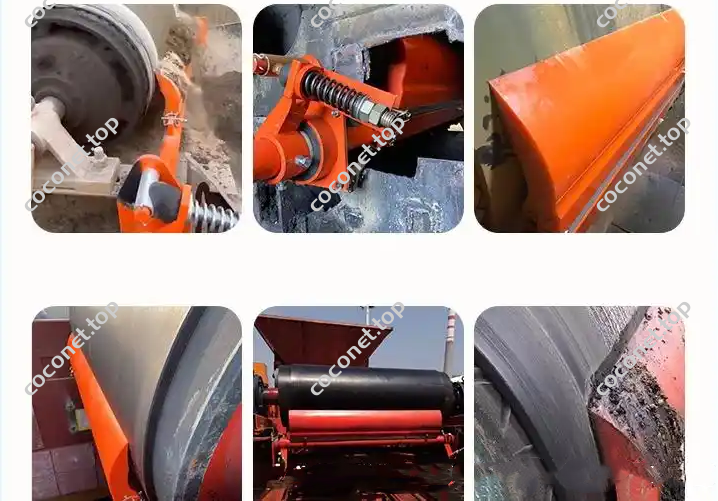
Replacing Conveyor belt cleaner blades isn’t rocket science, but it does require attention to detail and safety awareness. Here’s how to do it right:
Pre-Replacement Preparations
Before touching a single bolt, ensure you’ve:
1. Locked out/tagged out the conveyor – Safety first, always!
2. Gathered necessary tools – Typically wrenches, sockets, and perhaps a rubber mallet
3. Secured replacement blades – Ensure they’re the correct type for your application
4. Reviewed manufacturer guidelines – Each system has its quirks
The Replacement Process
Now for the main event:
1. Release the tension on the cleaner system. This usually involves a tensioner that applies pressure to the blade against the belt.
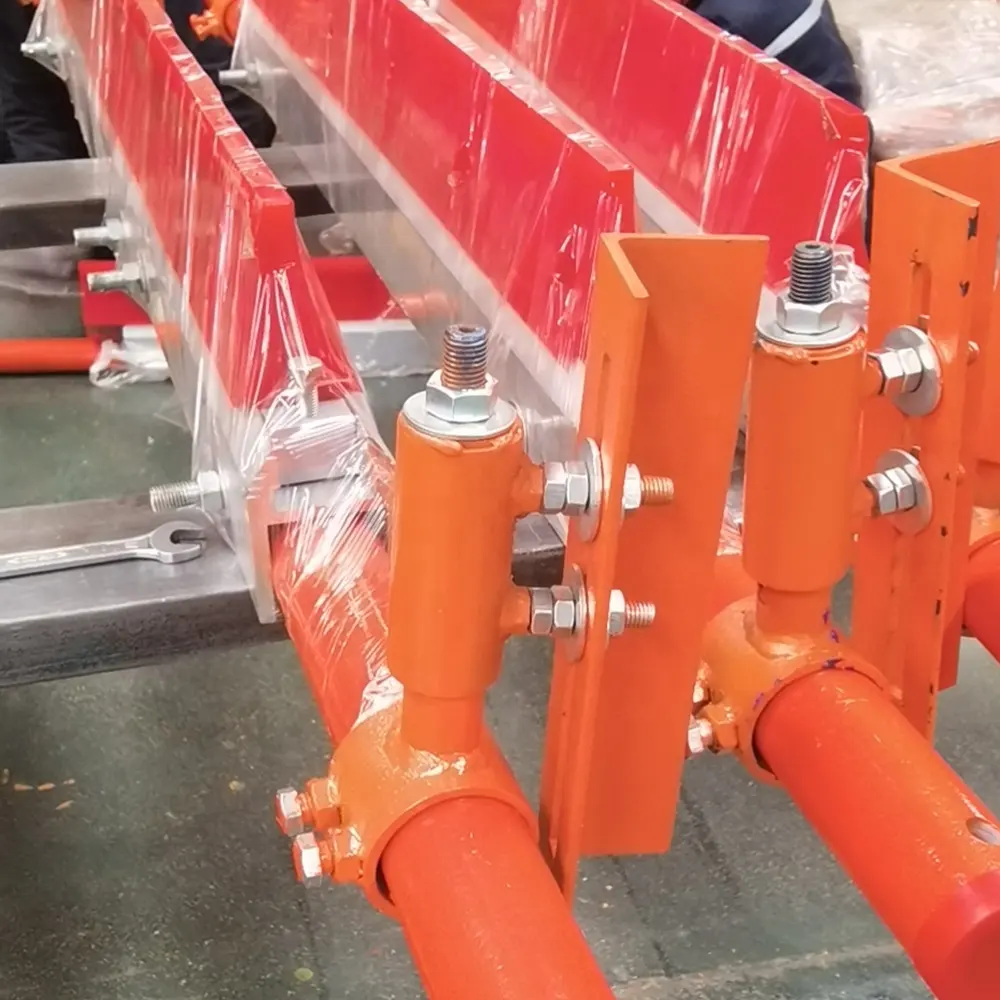
2. Remove the old blade from the mainframe. Depending on your system, this might involve removing bolts, pins, or clips. Some blades simply slide out from the mainframe.
3. Inspect the mainframe for wear or damage while you have the opportunity. A damaged mainframe can prevent even a new blade from performing properly.
4. Install the new blade by reversing the removal process. Ensure it’s seated correctly—a misaligned blade won’t clean effectively and will wear prematurely.
5. Re-tension the system according to manufacturer specifications. Too little tension won’t clean effectively; too much will cause excessive wear on both the blade and belt.
6. Perform a test run with the conveyor running empty to ensure proper installation.
I remember a particularly stubborn installation at a cement plant where nothing seemed to fit right. Turns out we’d received the wrong blade model—a quick call to the supplier saved hours of frustration.
Maximizing Blade Life
Want to get your money’s worth? These practices will extend blade life significantly:
- Regular inspection – Weekly visual checks catch issues early
- Proper tensioning – Follow manufacturer guidelines exactly
- Correct blade selection – Match the blade to your specific material and conditions
- Address belt issues promptly – Damaged belts will destroy even the best blades
- Consider blade rotation – Some systems allow you to rotate blades to distribute wear
Retrofitting Options
Stuck with an underperforming cleaner system? You’re not married to your current brand. Companies like Martin Engineering offer replacement blades that can retrofit onto existing mainframes from virtually any manufacturer. These universal replacement options often deliver better performance than OEM parts, sometimes at lower costs.
Conclusion
Proper Conveyor belt cleaner blade maintenance isn’t just about preventing mess—it’s about protecting your investment in your conveyor system while maximizing operational efficiency. By understanding when and how to replace blades, you’re ensuring your operation runs smoothly, safely, and profitably.
What’s your biggest challenge with Conveyor belt cleaner maintenance? Whatever it is, remember that timely replacement with the right blade will always be cheaper than dealing with the consequences of neglect.
Implementation Steps

Communicate thoroughly with clients to understand specific application scenarios and braking requirements.
Assess environmental conditions.

Based on the provided materials and mining information, conduct on-site inspections and jointly negotiate to determine the plan.

Having complete testing instruments and equipment, as well as a quality inspection team, scientific management, and real-time monitoring, can better improve product quality

Ensure the system operates normally and provide necessary technical support.

Ensure the achievement of extending equipment lifespan, reducing downtime, and improving overall efficiency of the enterprise
Respond promptly to client repair and replacement needs, offering technical support and training.
Please submit the product requirements and we will contact you immediately