
The operation steps of fabric belt vulcanization joints are related to the quality and performance of the joints, ensuring that the joints can operate stably under high loads and harsh environments. The steps for fabric belt vulcanization joints are as follows:
Fabric belt vulcanization joint operation steps
Preparation
Ensure the safety of the operating area, wear necessary protective equipment, and prepare the required tools and materials, including vulcanizer, vulcanized film, vulcanized core rubber, hot vulcanized glue, fabric belt joint materials, etc.
Clean the joint area
Use detergent and a brush to thoroughly clean the surface of the joint area to ensure that there are no impurities such as oil, dust, etc. so that the glue can fully adhere to the joint.
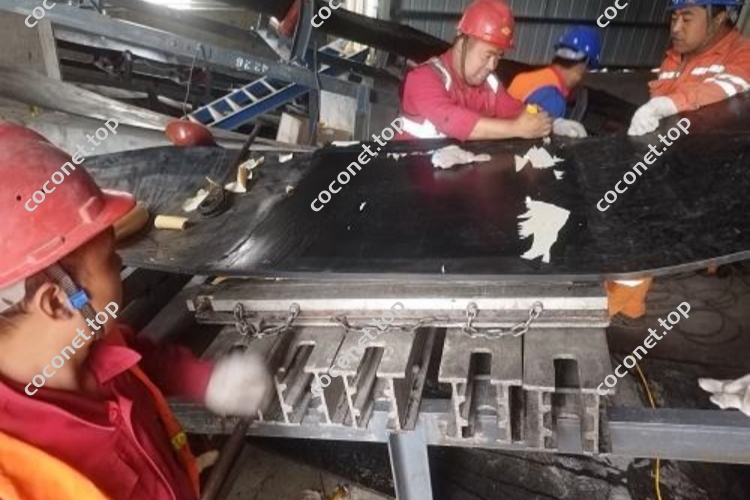
Positioning and pre-cut joints
Position both ends of the fabric belt, and then use a knife to pre-cut the shape of the joint to ensure that the pre-cut shape meets the requirements of the joint.
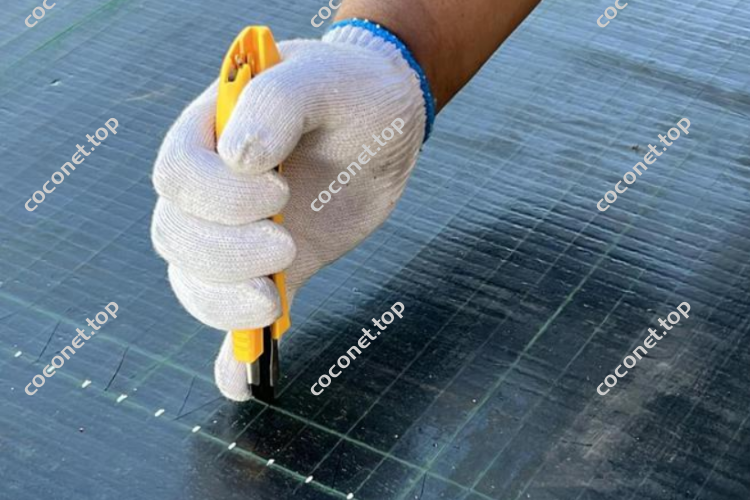
Prepare vulcanized tape and film
Depending on the size of the joint, select the appropriate vulcanized tape and sheet, making sure it is wide and long enough to cover the entire joint area.
Lay out the vulcanized tape and film
Lay the vulcanized tape over the joint area, then place the vulcanized film over the vulcanized tape, ensuring that the film evenly covers the entire area of the joint.
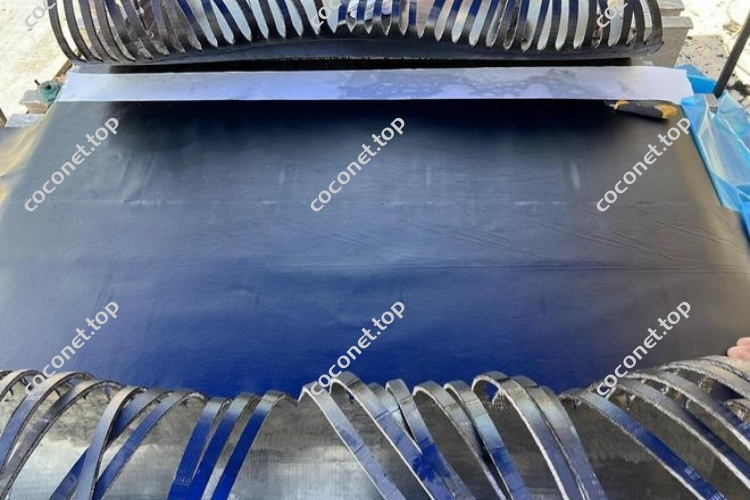
Positioning joint material
Place the fabric belt splice material over the splice area, aligning with the vulcanized tape and film, making sure the splice material is positioned accurately.
Use vulcanizing machine
Place the vulcanizing machine above the joint area, and adjust parameters such as vulcanizing temperature, pressure and time according to the guidance of the vulcanizing machine.
Carry out vulcanization
Start the vulcanizer to heat and apply pressure to vulcanize the rubber in the joint area to ensure that the rubber can be firmly attached to the fabric belt.
Cooling and solidification
After vulcanization is completed, wait for a period of time to allow the rubber in the joint area to cool and solidify to ensure that the joint is firm.
Clean and organize
Remove materials such as vulcanized tape and film, and clean and organize the joint area to ensure a neat appearance.
Inspection and testing
对皮带的硫化接头进行目视检查,确保没有明显的缺陷或问题。可以进行拉伸试验来测试接头的牢固性和可靠性。
Recommended repair materials
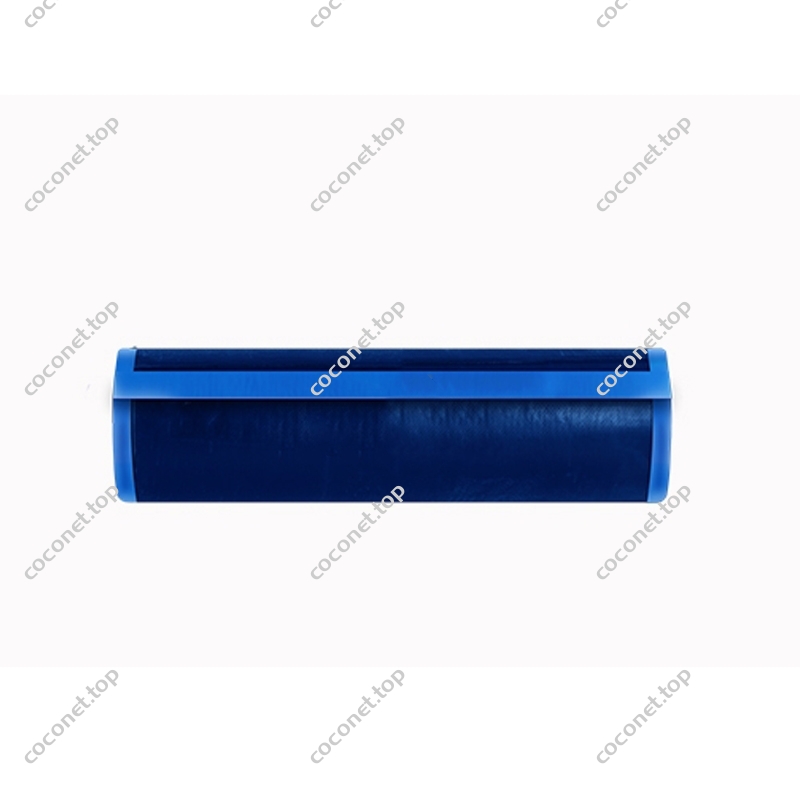
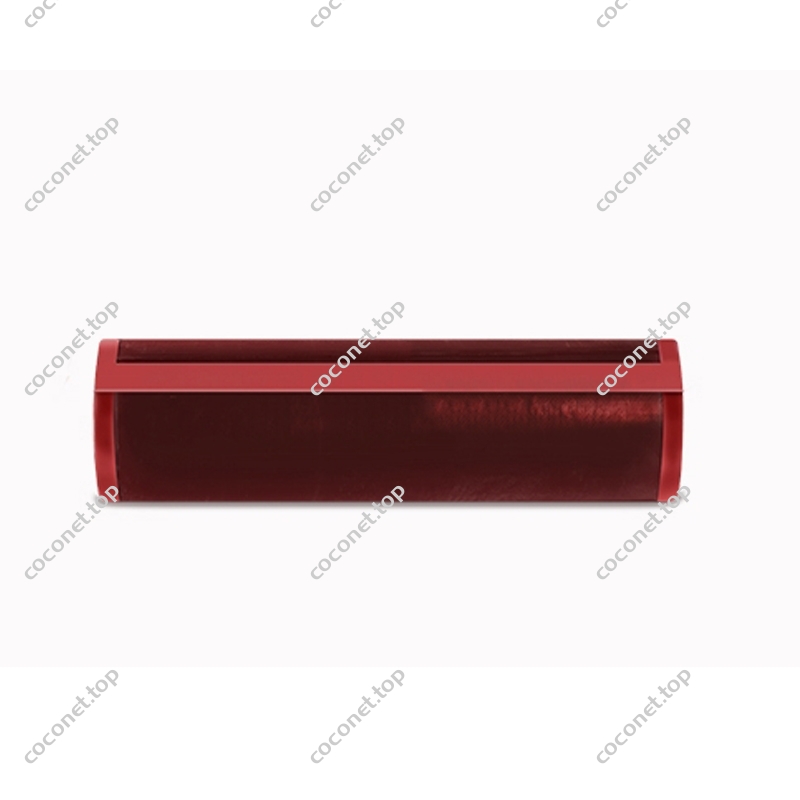
Unvulcanized Cover Rubber
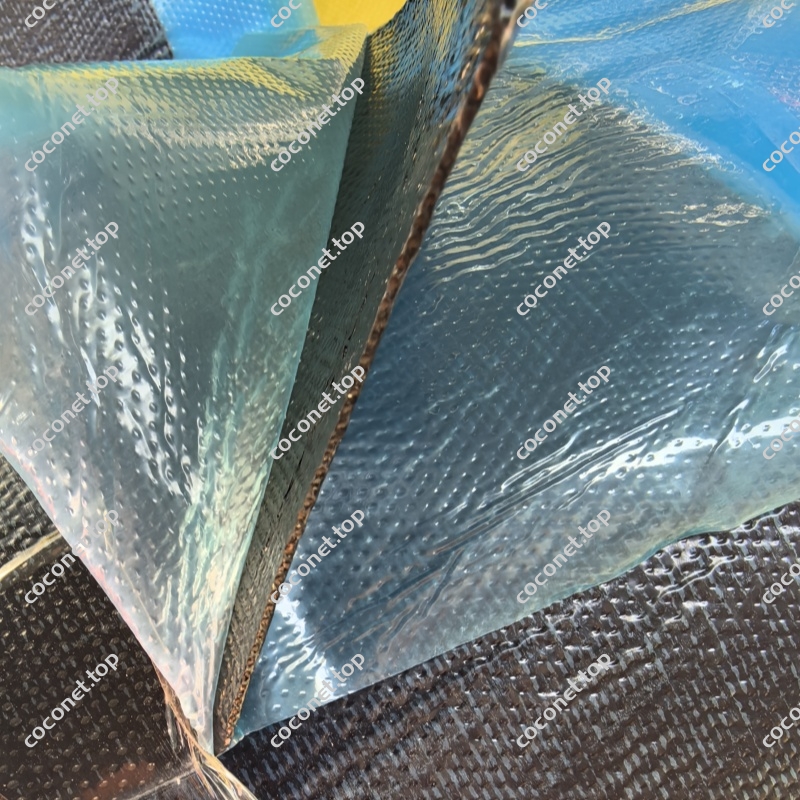
Uncured Intermediate Rubber
Tyre Repair Cord Rubber
To learn more about conveyor belt repair guidelines, it is recommended to read:
Belt conveyor cleaner Conveyor belt buffer Bed Conveyor belt buffer strips Conveyor belt repair hot vulcanization repair
Related Articles:
 Conveyor Belt Patching Materials: The Expert’s Guide to Repair & Maintenance Solutions
What are the repair methods and precautions for conveyor belts?
Conveyor Belt Patching Materials: The Expert’s Guide to Repair & Maintenance Solutions
What are the repair methods and precautions for conveyor belts?
 Conveyor Belt Skirt Rubber Guide: Functions, Types & Maintenance
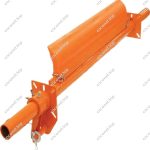 Conveyor Belt Cleaner: Essential for Efficient and Durable Conveyor Systems
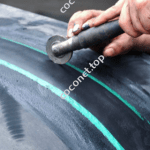 How to repair a hole in a conveyor belt?
 Primary vs. Secondary Conveyor Belt Cleaners: Key Differences & How to Choose

