
Polyurethane molding, also known as PU molding, is a versatile manufacturing process that involves shaping and forming polyurethane (PU) material into a variety of products and components. This process can be achieved through techniques such as injection molding, compression molding, and chemical foaming molding. Polyurethane is a widely used polymer material known for its flexibility, durability, and cost-effectiveness, making it ideal for a range of applications across multiple industries.
Material Composition
Polyurethane is typically produced through the reaction between polyols (such as polyester or polyether with OH groups) and isocyanates. The addition of water as a foaming agent can lead to the formation of polyurethane foam, which is commonly used in molding processes. Polyurethane can be further classified into rigid and flexible types based on their mechanical properties. Rigid foams do not return to their original shape once deformed, while flexible foams recover after the load is removed.
Types of Polyurethane Molding
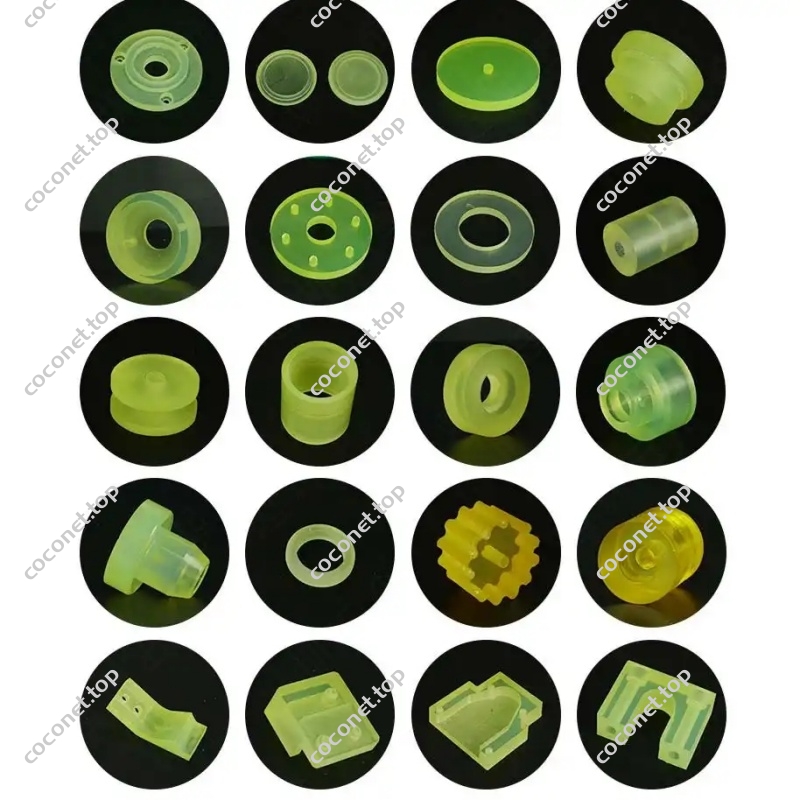
Polyurethane Injection Molding: In this process, liquid polyurethane is injected under high pressure into a mold cavity. It is ideal for producing small, intricate parts with tight tolerances and high-quality surface finishes. This method is commonly used in the automotive industry (e.g., dashboards, steering wheels), footwear (e.g., soles), and electronics (e.g., enclosures).
Polyurethane Compression Molding: In this technique, polyurethane is placed into a heated mold, which is then pressed to form the desired shape. It is commonly used for producing larger components that require higher resistance to wear, impact, or chemical exposure. Products such as industrial parts and heavy-duty components often use this method.
Chemical Foaming Molding (CFM): This process involves the chemical reaction between polyols, isocyanates, and water, which generates gas and causes the mixture to expand and fill the mold cavity. The expanding foam solidifies to form the final product, often used for insulation materials, automotive parts, and packaging.
Applications of Polyurethane Molding
Polyurethane molding is used in a wide range of industries, owing to its adaptability and varied material properties:
Automotive: Polyurethane is used for manufacturing dashboards, steering wheels, seats, and gaskets due to its durability and ability to absorb impact.
Footwear: Polyurethane soles, insoles, and other components benefit from its comfort, flexibility, and wear resistance.
Furniture: Upholstery foams, seating cushions, and bedding materials are commonly made from polyurethane due to their softness and durability.
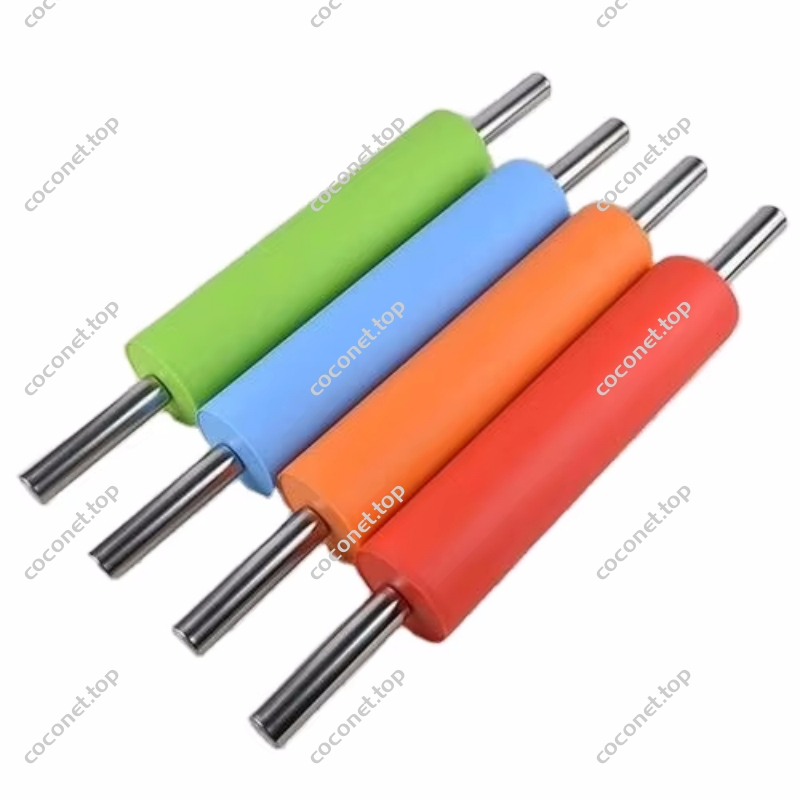
Industrial: Polyurethane is used for manufacturing conveyor belts, seals, and industrial rollers, providing resistance to abrasion and chemical exposure.
Medical: Polyurethane products are found in medical devices, mattresses, and even prosthetics due to their flexibility, durability, and biocompatibility.
Properties and Advantages
Polyurethane molding offers numerous benefits:
High Strength and Durability: Polyurethane products are known for their ability to withstand heavy wear, impact, and harsh environmental conditions.
Customizable Properties: The material can be tailored to exhibit different hardness levels, flexibility, and abrasion resistance, making it suitable for a wide range of applications.
Lightweight and Cost-Effective: Polyurethane parts are generally lightweight yet strong, making them an economical choice for mass production.
Waterproof and Corrosion-Resistant: Polyurethane is resistant to moisture, making it ideal for use in environments where exposure to water or chemicals is common.
Fire-Resistant: Polyurethane can be formulated to resist flames, enhancing its safety profile in various applications.
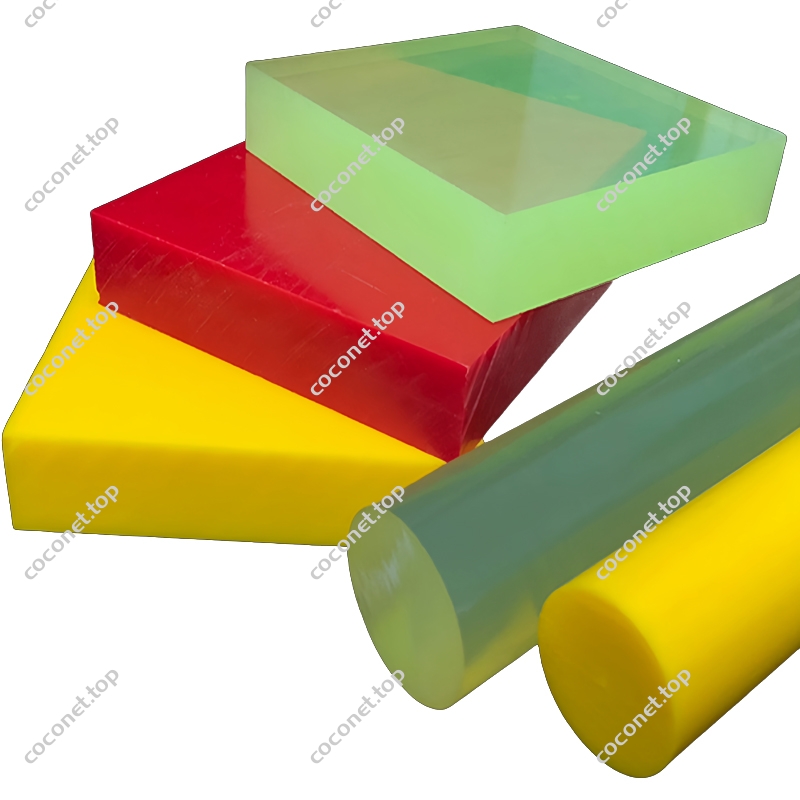
Versatility in Molding: Polyurethane can be molded into a wide variety of shapes, from soft foams to rigid plastics, catering to the needs of both small and large-scale manufacturing processes.
Conclusion
Polyurethane molding is a highly versatile and widely adopted manufacturing process that offers numerous advantages, including cost-efficiency, durability, and customization options. By choosing the right molding technique and material formulation, industries can create products that meet the specific demands of performance, safety, and longevity. As the need for sustainable and efficient manufacturing grows, polyurethane molding continues to be a viable and eco-friendly option for producing high-quality components across various sectors.
Implementation Steps

Communicate thoroughly with clients to understand specific application scenarios and braking requirements.
Assess environmental conditions.

Based on the provided materials and mining information, conduct on-site inspections and jointly negotiate to determine the plan.

Having complete testing instruments and equipment, as well as a quality inspection team, scientific management, and real-time monitoring, can better improve product quality

Ensure the system operates normally and provide necessary technical support.

Ensure the achievement of extending equipment lifespan, reducing downtime, and improving overall efficiency of the enterprise
Respond promptly to client repair and replacement needs, offering technical support and training.
Please submit the product requirements and we will contact you immediately


